
Unit 3
Unit 3: Personal Care Services
Minimum Number of Hours: Theory 25, Clinical 45
Statement of Purpose:
The purpose of this unit is to provide the CNA with expanded knowledge of safety and personal care as it is delivered in the home. Personal care skills, body mechanics, safety and emergency procedures are reviewed, and methods to improvise and adapt these procedures for the home care client are presented.
Performance Standards (Objectives)
Upon the completion of the twenty-five (25) Theory hours and forty-five (45) Clinical hours plus assignments, the learner will be able to:
-
- Define the terminology.
- Describe the steps and guidelines for common personal care skills.
- Explain the importance of improvising equipment and adapting care activities in the home.
- Discuss personal care delivery in home care.
- List examples of home equipment that can be utilized to provide personal care.
- Discuss the benefits of self-care in promoting wellness.
- Describe key principles of body mechanics.
- Explain how to adapt body mechanics in the home setting.
- Describe adaptations that can be made in the home for ambulation and positioning.
- Identify the purpose of passive and active Range of Motion exercises.
- Describe high risk factors for skin breakdown and methods of prevention.
- Describe stages of pressure ulcers/decubitus ulcers and report observations.
- List types of ostomies and describe how to empty and change the pouch.
- Recognize emergencies in the home and define critical steps to follow.
- Relate the chain of infection to the home care setting.
- Describe infection control measures to use in the home care setting.
- Describe the role and responsibilities of the HHA in assisting the client to self- administer medications.
Terminology
| ambulation device ambulatory apical aspiration assistive devices atrophy base of support bony prominence catheter center of gravity clean coccyx colostomy contagious contamination dehydration dermis diarrhea diastolic dirty dysuria epidermis erythema extinguish force fluid fracture |
gait belt hazard immobilize immune system impaction incontinence isolation laxative mobility necrotic nocturia NPO oral hygiene paralysis perianal peristalsis polyuria postural support prosthesis restraint restrict fluid suppository systolic TED hose TPR void |
Learner Activities/Assignments
-
- Class discussion: Discuss how personal care skills would be adapted in the home setting.
- Activity: Have groups of students compete to list principles of body mechanics.
- Activity: Body Mechanics – Individual/Group problem solving given scenario. (p.61)
- Activity: Students practice improvising equipment for ambulation and positioning.
- Activity: Students sit on a hand for 5 minutes to experience the effects of pressure.
- Activity: Skin Care – Individuals/Group problem-solving given scenario. (p. 62)
- Activity: Falls – Individual/Group problem-solving given scenario. (p. 64)
- Crosswords: Infection Control (p. 65-67)
- Activity: Infection Control – Individual/Group problem-solving given scenario. (p. 69)
- AIDS Skit (optional – see Appendix, Figure 2)
Teaching Strategies
-
- Lecture
- Small and large group discussion
- Handouts: supply kit (p. 60), hepatitis (p. 68), medications (p. 70-71)
- Manual Skill demonstration:
- empty ostomy pouch (p. 63)
- sitz bath (p. 58)
- arm foot soak (p. 59)
- AIDS skit (optional – see Appendix, Figure 2)
References
Balduzzi, S., & Spatz, A. (2005). Homemaker home health aide (6th ed.). Clifton Park, NY: Thomson Delmar Learning.
Birchenall, J.M., & Streight, E. (2003) Mosby’s Textbook for the home care aide (2nd ed.). St. Louis, MO: Mosby.
Certified Nurse Assistant Model Curriculum (2nd ed.). (2004). Sacramento, CA: California Community College Chancellor’s Office.
Fuzy, J. & Leahy, W. (2005). The home health aide handbook (2nd ed.). Albuquerque, NM: Hartman Publishing Inc.
Sorrentino, S. A. (2004). Assisting with patient care (2nd. ed.). St. Louis, MO: Mosby. Zucker, E. & Ebrite, L.J. (2006). Being a home maker/home health aide (5th ed..). Englewood
Cliffs, NJ: Prentice-Hall.
CONTENT OUTLINE |
SUGGESTED LEARNING ACTIVITIES |
|
1. Define the terminology |
|
Evaluation Written Test |
| ambulation device ambulatory apical aspiration assistive devices atrophy base of support bony prominence catheter center of gravity clean coccyx colostomy contagious contamination dehydration dermis diarrhea diastolic dirty dysuria epidermis erythema extinguish force fluid fracture gait belt |
hazard immobilize immune system impaction incontinence isolation laxative mobility necrotic nocturia NPO oral hygiene paralysis perianal peristalsis polyuria postural support prosthesis restraint restricted fluid suppository systolic TED hose TPR void |
|
2. Describe the steps and guidelines for common personal care skills |
Evaluation Written Test |
|
| Review: Body Mechanics, Transfers, Ambulation, Positioning, NATAP or DHS Module 5 Comfort and Adaptive Devices, Range of Motion, NATAP or DHS Module 14 Hand washing, Universal Precautions, NATAP or DHS Module 6 Care Skills, NATAP or DHS Module 8 TPR, BP, NATAP or DHS Module 10 Specimens, Bed Care, Bandages, Lotions, NTAP or DHS Module 9 |
Clinical Evaluation Demonstrates competency in performance of common personal care skills. | |
|
||
| SUGGESTED LEARNING ACTIVITIES |
||
3. Explain the importance of improvising equipment and adapting care activities in the home. |
||
Handout: Supply Kit (p. 60)
|
||
4. Discuss personal care delivery in home care |
Evaluation Written Test Performs personal care activities in the home setting |
|
|
||
5. List examples of home equipment that can be utilized to provide personal care. |
Evaluation Written Test |
|
| Items that can be adapted for use in home care: |
Learner Activity #1 Class Discussion: Have students list common personal care skills performed by HHA that might be done for a client. Discuss how each skill would be adapted in the home setting. |
|
| Equipment | Alternative | |
| Gloves | No alternative | |
| Bed bathing equipment | Bowls, pots, pans, bucket, paper towels, washcloths, etc. | |
| Swabs for oral care | Soft washcloth, padded tongue blades, cotton swabs, etc. | |
| Bedpans for incontinence | Plastic bags, spare sheets, shower curtain, towels, sanitary pads, etc. | |
| Shampoo tray | Plastic bags, bucket, milk jug, towels, dry shampoo | |
| Urinal | Sheets, towels, jars, coffee can | |
| SUGGESTED LEARNING ACTIVITIES |
||
6. Discuss the benefits of self-care in promoting wellness. |
Evaluation Written test |
|
|
||
7. Describe key principles of body mechanics. |
Learner Activity #2 Using flip cart and pens or, on the board, having groups “complete” to put up principles of body mechanics in five minutes. |
|
| Refer to Body Mechanics, NATAP or DHS Module 5
|
||
| SUGGESTED LEARNING ACTIVITIES |
||
8. Explain how to adapt body mechanics in the home setting. |
Evaluation Demonstration/return demonstration |
|
Review Mechanical lifts, NTAP or DHS Module 5 Manual Skills |
Learner Activity #3 Body mechanics (p. 61) Optional Activity Possible visit to a rehabilitiation facility to observe equipment in use. Have student volunteers act out and demonstrate. Adapts body mechanics techniques in the home setting
|
|
9. Describe adaptations that can be made in the home for safe ambulation and positioning. |
|
|
|
||
| SUGGESTED LEARNING ACTIVITIES |
||
10. Identify the purpose of passive and active Range of Motion exercises. |
||
|
Evaluation Return demonstration Assist with ROM exercises as prescribed |
|
11. Describe high-risk factors for skin breakdown and methods of prevention. |
Evaluation Written Test |
|
|
||
12. Describe stages of pressure ulcers/decubitus and report observations. |
Evaluation Written Test |
|
|
||
| SUGGESTED LEARNING ACTIVITIES |
||
13. List types of ostomies and describe how to empty and change the pouch. |
||
See manual skill: Emptying an ostomy pouch (p. 66) |
Clinical Evaluation Utilizes appropriate techniques to empty ostomy pouches |
|
14. Recognize emergencies in the home and define critical steps to follow. |
Learner Activity #7 Falls (p. 64) |
|
|
Evaluation Written Exam Identifies and responds appropriately to emergencies in the home |
|
| SUGGESTED LEARNING ACTIVITIES |
||
15. Relate the chain of infection to the home care setting. |
Evaluation Written test |
|
| Review Medical and Surgical Asepsis, NATAP or DHS Module 6
|
Learner Activity #8 Do crosswords in class to review key principles (p. 65-67) |
|
16. Describe infection control measures to use in home care settings. |
Evaluation Written Test |
|
| Review universal precautions, NATAP or DHS Module 6
|
Handout: Hepatitis (p. 68) Learning Activity #9 Infection Control (p. 69) Utilizes infection control measures and universal precautions when providing care in the home |
|
17. Describe the role and responsibilities of the HHA an assisting the client to self-administer medications. |
Assists clients to self-administer prescribed medications | |
Handout: Medication (p. 70-71) |
||
Unit 3: Personal Care
Manual Skill: Sitz Bath
Equipment:
disposable sitz bath
bathtub
towels
hot water
blanket
Criteria:
-
- Assemble equipment.
- Wash hands.
- Explain procedure to the client.
- Assure privacy.
- Set up a disposable kit according to the manufacturer’s instructions. If using tub, fill tub with approximately 6 inches of water at 95-110 degrees F. Place a folded towel in the hollow of the tub.
- Help the client sit in the sitz bath.
- Keep upper body warm, using a blanket, if necessary.
- Check water temperature every 5 minutes, replenishing warm water as necessary.
- Have client remain in sitz for 10-20 minutes, or as ordered.
- Help client out of sitz and assist with drying off with a towel and dressing.
- Clean and store equipment.
- Wash hands.
- Document.
Unit 3: Personal Care
Manual Skill: Warm Foot Soak
Equipment:
basin towel
clean socks and shoes
newspaper or plastic sheet
bucket or large container of warm water (105 F/degrees)
Criteria:
-
- Assemble equipment.
- Seat client in chair.
- Place newspaper or plastic sheet on floor in front of chair under client’s feet.
- Place basin on newspaper or plastic sheet in front of chair and client.
- Fill basin approximately ½ full of warm water.
- Place client’s feet in the basin.
- Add or replenish water to achieve level to cover feet without overflowing and maintain temperature.
- Discontinue treatment within 15-20 minutes.
- Remove client’s feet one at a time, drying each as it is removed, especially between toes and inspect each foot for skin irritation.
- If feet appear to have dry skin, apply lotion and rub in well.
- Put clean socks, and shoes, on client’s feet.
- Remove the basin and supplies, clean and store equipment, and dispose of used newspaper.
- Document the task and any unusual observations.
Unit 3: Personal Care
Handout: Supply Kit
A nice item to have for “home emergencies” and as a backup for home care when needed.
baby wipes
paper towels
spare gloves
scissors
orange sticks
emery boards
gauze dressings 2” x 2” or 4” x 4”
bottle of H2O – 1 quart
alcohol/betadine swabs
safety pins
plastic bags, large and small
roll of tape
sugar source for client’s with Diabetes Mellitus lotion, powder (no perfumes or alcohol)
soap
one way valve mask
tongue blades
Unit 3: Personal Care
Activity: Body Mechanics
Instructions:
Review the following scenario and write responses to the following questions. A group discussion will follow. Your instructor will guide you through the legal and ethical issues involved.
You are the home health aide assigned to work with Mr. Brown. Mr. Brown is 6’2” and weighs 225 pounds. He has recently had a CVA with right hemiplegia. The nurse informed you that it is very important that Mr. Brown sit up in the chair every day. After working with Mr. Brown, you think that getting Mr. Brown into a chair will require two people. Mrs. Brown and her teenage son are in the home. Mr. Brown prefers to sit in his recliner.
Critical thinking questions:
-
- What do you think are important data/information/observations in this situation? What additional information would be helpful to have?
- What do you think is the problem or problems in this situation?
- Which of the problems would be your priority? What would be most important to do first?
- What action or activities could you implement to improve or correct the situation or problems?
- What might be the results of your actions or activities?
Unit 3: Personal Care
Activity: Skin Care
Instructions:
Review the following scenario and give a written response to the questions. Group discussion will follow and you instructor will guide you through the legal and ethical issues.
Mr. Smith is caring for his 86-year-old wife. Mrs. Smith is your last client of the day, Saturday at 3:00 p.m. While giving Mrs. Smith a bath, you notice that her peri area is red, and tender. Mr. Smith states that for the last 48 hours, Mrs. Smith has had no control of her urine and at times of her stool. He states that he cannot keep her bed dry.
Critical thinking questions:
- What do you think are important data/information/observations in this situation? What additional information would be helpful to have?
- What do you think is the problem or problems in this situation?
- Which of the problems would be your priority? What would be most important to do first?
- What action or activities could you implement to improve or correct the situation or problems?
- What might be the results of your actions or activities?
Unit 3: Personal Care
Manual Skill: Emptying An Ostomy Pouch
Equipment:
drainable ostomy pouch or urostomy pouch with valve clamp (if drainable)
peri bottle or a glass, or a turkey baster
gloves
toilet paper or paper towel
graduate
protective drape (newspaper or garbage bags)
Criteria:
-
- Gather equipment.
- Explain the process to the client.
- Ensure client privacy.
- Wash hands.
- Apply gloves.
- Position protective drape.
- Empty the pouch according to procedure for specific type of appliance.
- Measure output.
- Cleanse pouch according to procedure for specific type of appliance.
- Ensure closure of the pouch.
- Clean equipment.
- Remove gloves.
- Wash hands.
- Document procedure.
Unit 3: Personal Care
Activity: Falls
Instructions:
Review the following scenario and write responses to the following questions. A group discussion will follow. Your instructor will guide you through the legal and ethical issues involved.
Scenario:
Ms. Penny lives by herself in a small older home with seven (7) stairs. The home has vinyl floors and many throw rugs. The living room is dark and crowded with stacks of old magazines. Ms. Penny has fallen twice in the last four months, once in the house and once on the stairs. Currently, she is recovering from a broken hip.
Critical thinking questions:
-
- What do you think are important data/information/observations in this situation? What additional information would be helpful to have?
- What do you think is the problem or problems in this situation?
- Which of the problems would be your priority? What would be most important to do first?
- What action or activities could you implement to improve or correct the situation or problems?
- What might be the results of your actions or activities?
Unit 3: Personal Care Activities
Learning Activity
Crossword: Infection Control
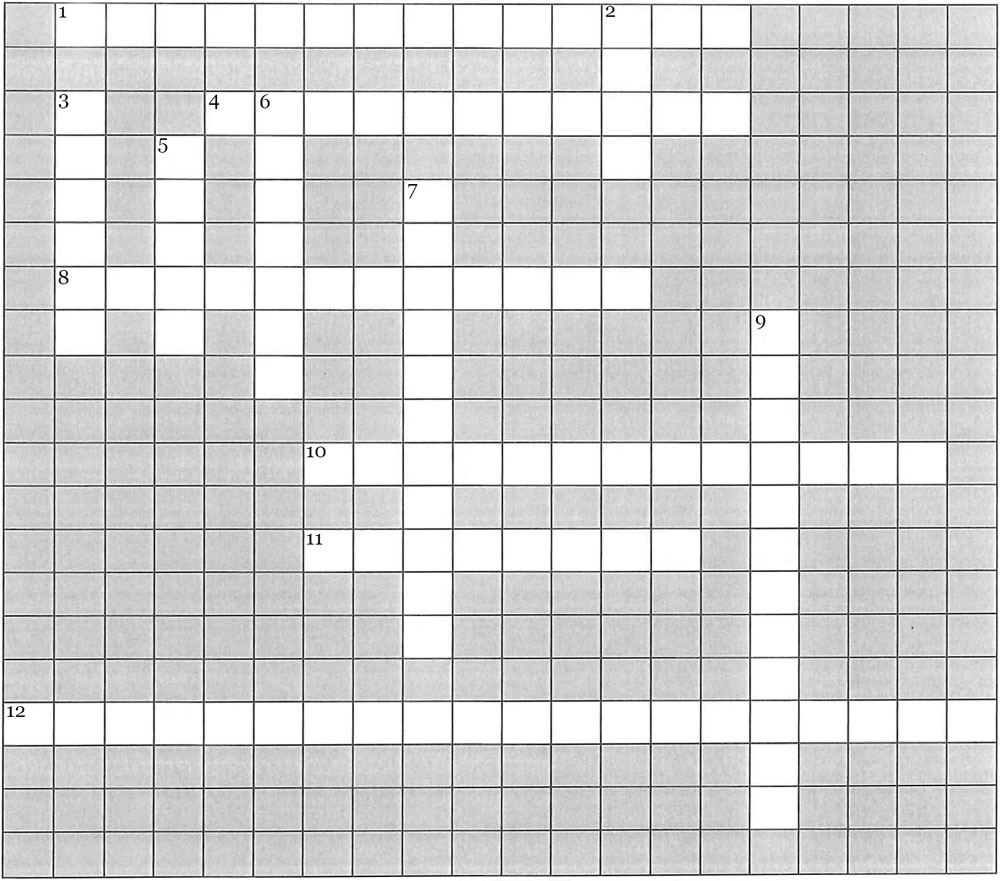
| Across | Down |
| 1. small living things that cannot be seen without a microscope
4. ____ is the #1 best method of medical asepsis 8. direct contact, air, food, and insects are some methods of ____ 10. _____ is the process by which all microorganisms are destroyed 11. a _____ is a microorganism that is harmful and causes infection or disease 12. _____ includes one always wearing gloves when in contact with body secretions |
2. the first line of defense against infection is our ______
3. warmth, moisture, a food source, and O2 are needed for microorganism’s _____ 5. the absence of pathogens is _____ 6. _____ means free from pathogenic microorganisms, be not sterile. 7. undergone a chemical/physical process by which microorganisms are slow or killed 9. when an item is exposed to microorganisms, it is considered to be _____ |
Word Bank
ASEPSIS
CLEAN
CONTAMINATED
DISINFECTED
GROWTH
HANDWASHING
MICROORGANISMS
PATHOGEN
SKIN
STERILIZATION
TRANSMISSION
UNIVERSAL PRECAUTIONS
Unit 3: Personal Care
Handout: Hepatitis
| Hepatitis A | Hepatitis B | Hepatitis C – Post | |
| Transmission |
|
|
|
| Incubation |
|
|
|
| High-Risk |
|
|
|
| Isolation Procedures |
|
|
|
Unit 3: Personal Care
Activity: Infection Control
Instructions:
Review the following scenario and write responses to the following questions. A group discussion will follow. Your instructor will guide you through the legal and ethical issues involved.
Your agency contacts you to go out to the Jones’s home. Mr. Jones is a 32-year-old AIDS client who is living in his parent’s home. Upon arrival, you find Mr. Jones’s mother providing bowel care after Mr. Jones had used the bedside commode. She is not wearing gloves. You note that the bedside commode contains a large amount of liquid stool that appears to have blood in it. The mother states that Mr. Jones has a raw, sore bottom from so much diarrhea. She says that the diarrhea occurs with such urgency that it gets on the sheets and vinyl floor.
Critical thinking questions:
-
- What do you think are important data/information/observations in this situation? What additional information would be helpful to have?
- What do you think is the problem or problems in this situation?
- Which of the problems would be your priority? What would be most important to do first?
- What action or activities could you implement to improve or correct the situation or problems?
- What might be the results of your actions or activities?
Unit 3: Personal Care
Handout: Medications
I.Common Features of Medications
-
- Medications can benefit the client.
-
- Medications have the potential for harm to the client.
-
- Medications have a limit to the amount that is safe for use.
-
- Medications have a generic name (this includes the names of the active ingredients i.e., acetaminophen).
-
- Medications have a brand name (this is the manufacturer’s name for the drug, i.e., Tylenol).
-
- Medications have the possibility of becoming weaker under certain conditions (such as when not taken as directed, when stored for a long period of time, or stored incorrectly).
- There can be a risk when taking combinations of medications or taking them in combination with food or alcohol.
II.The Effects of Medications
- Medications or drugs are chemical substances. They are used to treat diseases. There are many different types to treat different diseases. Drugs can be given for infections or pain, or to help a body system improve functioning.
- Serious health conditions can arise from the use of specific medications, from using two or more drugs within the same time period, or from attempts at self-treatment without the advice of a physician.
- The client and the family should know what effects any medication used is expected to have, and to know why symptoms or side effects might indicate an allergy or other dangerous situation.
III.Safety Factors
-
- Encourage the client and/or family to keep all medications out of reach of anyone who might misuse them. If there are older people who are not responsible for their actions or children in the home, it is best to keep medications in a locked cabinet or in bottles with a safety lid. This includes aspirin, vitamins, and iron tablets, which, if taken in quantity by a child, could be fatal.
-
- Your client may be used to finding the medication in a certain place within the medicine cabinet or a storage area. Do not move the medicines without permission.
- Encourage the client and family to use labeled containers or a medication reminder system (such as a medi-set) set up by a professional.
IV. Assisting the Client to Self-Administer Medications
-
- HHA’s DO NOT ADMINISTER MEDICATIONS. THIS IS THE RESPONSIBILITY OF THE LICENSED NURSE, CLIENT, FAMILY, OR DOCTOR.
-
- The licensed nurse, family, or physician will make out the medication schedule for the client to follow. The HHA will not give medication but will observe whether the client takes the medication, and should report any problem related to the administration of medication.
-
- When someone is taking medication, be certain they have their glasses on and proper light so that the medication can be seen clearly.
-
- Remind the client to wash his/her hands.
-
- Assist the client self-administer oral medications as necessary.
-
Support the client’s hand if necessary as he/she pours medication into a spoon, cup, or hand.
-
Hand the client a glass of water.
-
Check to see that the client has swallowed the medication.
-
- Assist the client self-administer oral medications as necessary.
- Assist the client to self-administer eye medications as necessary.
- Position client so head is tilted back.
- Support the client’s hand as he/she drops the medication into the lower eyelid.
- Assist the client to self-administer topical medication (ointments, lotions) as necessary.
- The HHA may only apply a non-legend topical ointment to unbroken skin irritated skin surfaces
- Remind the client to wash their hands before and after application.
- Assist the client to self-administer a rectal suppository as necessary.
- Assist the client to unwrap the suppository.
- Give the client disposable gloves to put on.
- Assist the client to a side-lying position.
- Guide the client’s hand to the rectal area.
- Help hold the buttocks together for a few minutes while the suppository is absorbed.
- Help the client assume a comfortable position.
Note: The only rectal suppository that the HHA may administer to a client is a laxative suppository.
-
- Help client with hand washing
- Notify your supervisor if the client tells you that he/she will not take medications.